ARE YOUR SHOULDERS PERFORMING AT THEIR PEAK?

The shoulder is one of the largest joints of the body that also has the greatest range of motion.

This tremendous range of motion also makes the shoulder extremely unstable, and more prone to dislocation and injury than other joint.

So we can say that there is probably a lot that goes into keeping the shoulders healthy and functioning at their optimum. So I figured I would share some of this insight within a presentation I was asked to put together for the Banff Sports Medicine Foundation.

Check it out!

The shoulder is one of the largest joints of the body that also has the greatest range of motion.

This tremendous range of motion also makes the shoulder extremely unstable, and more prone to dislocation and injury than other joint.

So we can say that there is probably a lot that goes into keeping the shoulders healthy and functioning at their optimum. So I figured I would share some of this insight within a presentation I was asked to put together for the Banff Sports Medicine Foundation.

Check it out below!

A GUIDE TO IMPROVING AND MAINTAINING SHOULDER PERFORMANCE

Below is a snap shot of the key players that have an influence on the joints overall performance as summarized by @banffsportmedicinefoundation.

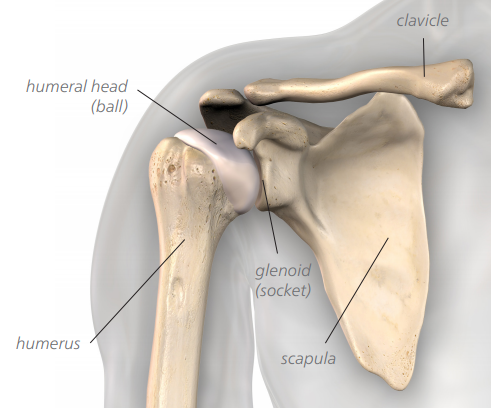
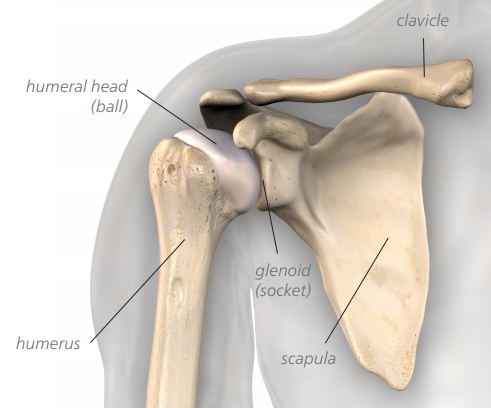
Shoulder Joint

The shoulder is made of up three main bones:
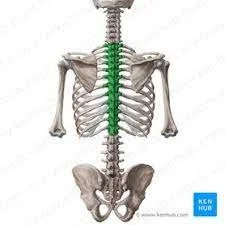
Thoracic Spine

The thoracic spine is simply the section of your spine in your mid-section that starts at the base of your neck and ends at the bottom of your ribs.
Rotator Cuff

The rotator cuff is a group of muscles and tendons that hold your shoulder joint in place.
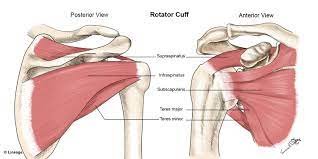
The rotator cuff muscles also help with abduction and rotation.

Scapulohumeral rhythm / glenohumeral rhythm

The scapulohumeral rhythm (as known as the glenohumeral rhythm) describes the interaction between the scapula and humerus during movement.

This correct functioning of this interaction is important for optimal shoulder function.

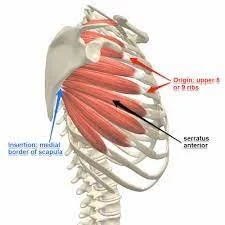
Serratus Anterior
Related Posts

Sleep, Fuel & The Long Game of Recovery

If you’re reading this, you’re likely somewhere along the road to recovery — whether post-surgery, rehabbing an injury, or just trying to get back to moving the way you want.

And while strength work, mobility, and consistency in the gym are huge pieces of the puzzle… what you do outside the gym often makes the biggest difference.

I wanted to provide some simple strategies that can support healing, tissue health, and overall performance. You won’t need to overhaul your entire life just pick a few small habits and start building from there.

Read More

“Houston, We Have a Quad Problem”: Tackling AMI After ACL Surgery

If your quad’s been MIA since your ACL surgery, you’re not alone—and no, it’s not just “weakness.” It’s a neurological shutdown called AMI (arthrogenic muscle inhibition), and it can stall recovery, throw off your movement patterns, and make simple tasks feel like uphill battles. In this blog, we break down what AMI is, why it happens, how it’s graded, and—most importantly—how we can get that quad back online. Whether you’re a clinician or someone navigating rehab, this one’s worth a read.

Read More