Strong, Stable Shoulders – Healthy Cuffs

Our shoulders are some of the most important and frequently used joints in our bodies. They enable us to perform a wide range of movements, including reaching, throwing, pushing, and pulling.

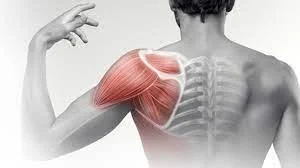
Our shoulders are some of the most important and frequently used joints in our bodies. They enable us to perform a wide range of movements, including reaching, throwing, pushing, and pulling. However, with all of this mobility comes an increased risk of injury, particularly to the rotator cuff muscles and tendons that help stabilize the joint. That’s why it’s crucial to maintain a strong and stable shoulder for optimal rotator cuff health.
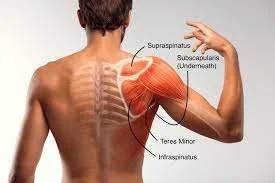
The rotator cuff is a group of four muscles and their tendons that attach the shoulder blade to the upper arm bone. These muscles are responsible for rotating the arm and helping to hold the ball of the shoulder joint in place. When these muscles are weak or imbalanced, it can put extra strain on the tendons and other tissues around the shoulder, leading to pain, compensatory patterns, and even injuries.

One of the best ways to prevent rotator cuff injuries is by keeping your shoulder healthy, strong and stable. This can be achieved through a variety of exercises, with a few of my go to’s below.

It’s important to note that when performing these exercises, proper form is important

These are only a few of the many exercise options you have at your disposal for maintaining shoulder health and performance.

But by keeping your shoulders healthy, strong and stable, you can reduce your risk of rotator cuff injuries and maintain optimal shoulder health.

Related Posts

Sleep, Fuel & The Long Game of Recovery

If you’re reading this, you’re likely somewhere along the road to recovery — whether post-surgery, rehabbing an injury, or just trying to get back to moving the way you want.

And while strength work, mobility, and consistency in the gym are huge pieces of the puzzle… what you do outside the gym often makes the biggest difference.

I wanted to provide some simple strategies that can support healing, tissue health, and overall performance. You won’t need to overhaul your entire life just pick a few small habits and start building from there.

Read More

“Houston, We Have a Quad Problem”: Tackling AMI After ACL Surgery

If your quad’s been MIA since your ACL surgery, you’re not alone—and no, it’s not just “weakness.” It’s a neurological shutdown called AMI (arthrogenic muscle inhibition), and it can stall recovery, throw off your movement patterns, and make simple tasks feel like uphill battles. In this blog, we break down what AMI is, why it happens, how it’s graded, and—most importantly—how we can get that quad back online. Whether you’re a clinician or someone navigating rehab, this one’s worth a read.

Read More