
Building Strong Foundations
Here in the Bow Valley we have our pick at pretty much any sport, which amongst other things makes growing up here so awesome.
However what was once a casual recreational activity has transformed into highly competitive leagues, programs and highly fort after scholarships. With this transformation comes the realization that youth athletes need more than just the classic dryland training scenario: of either the one or two dads on the team that go to the gym passing on their workouts or or the ex athlete that is programming outdated “this is what we did in my day”.
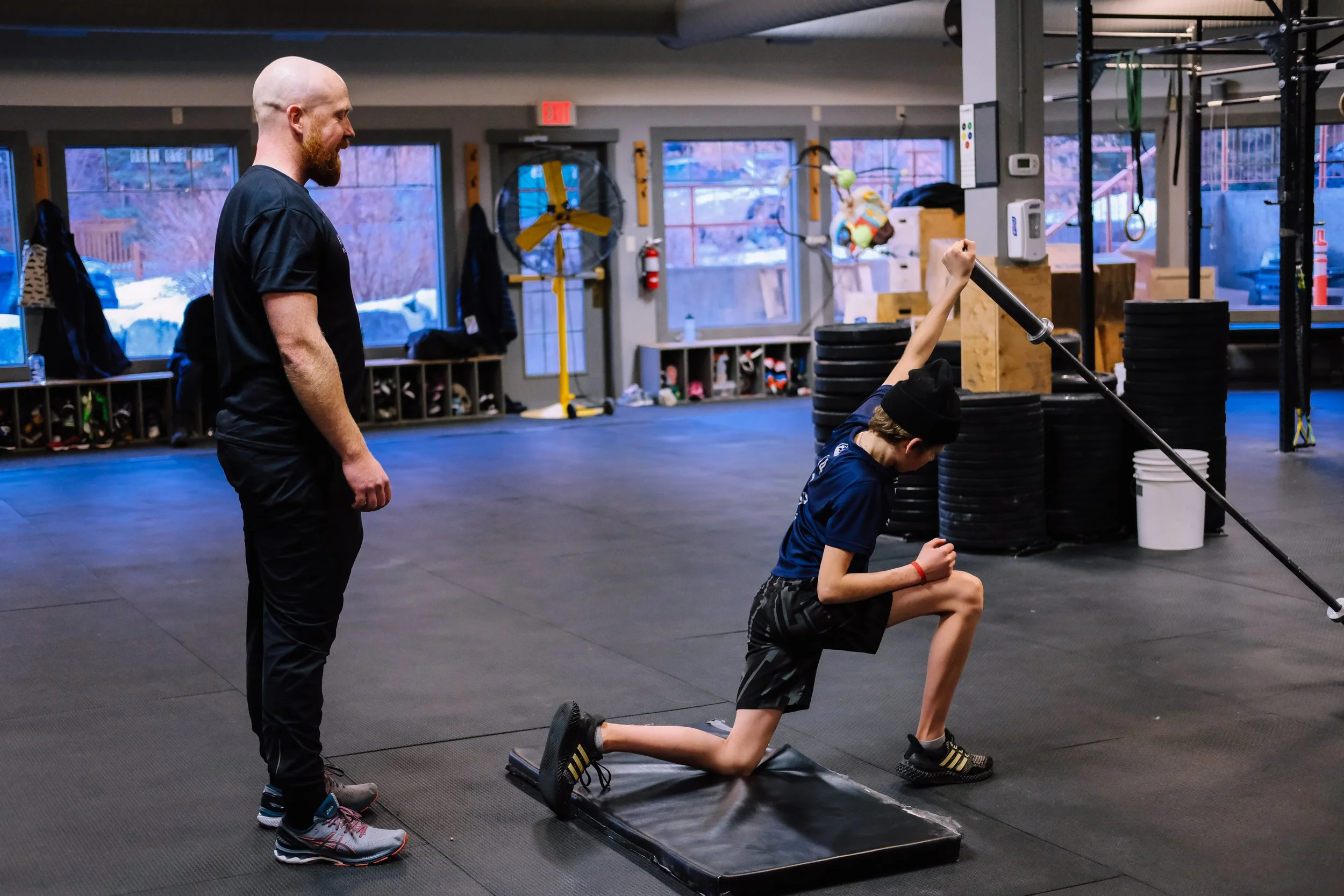
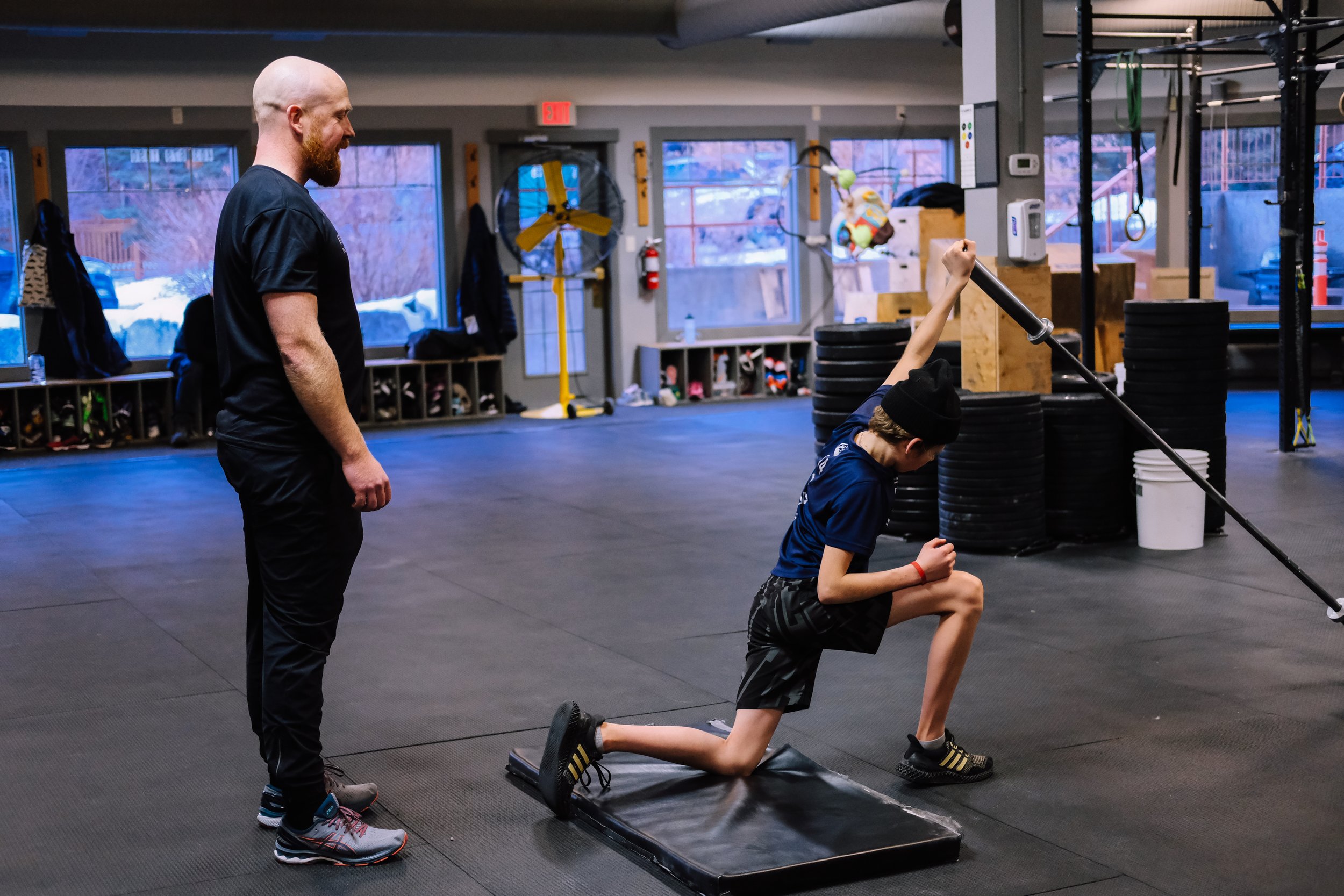
Now lets start by clearing a few things up, strength training for kids isn’t about seeing whether a 10 year old can deadlift their body weight or loading the barbell week over week. It’s about movement, skill development, and building a foundation that sets young athletes up for long-term success.
Not every kid is going pro (shocking, I know), but every single one of them can improve their speed, strength, power, and endurance in a way that suits their body.
Optimisation
Strength and conditioning training for youth athletes and athletes in general is fundamentally geared towards enhancing their athletic ability and performance expressing an improvement in their athletic output in their sport. This, in addition to addressing any deficits in their movement, coordination and performance capacity that could lead to increased risk of injury development. The emphasis here is on optimizing power, speed, agility, endurance, and overall athleticism to excel in a competitive setting.
Strength training isn’t about instant results; it’s a process. Just like you wouldn’t throw a beginner skier down a double black diamond, you don’t start a young athlete with heavy weights and complex lifts.
Training should follow a logical progression:
✅ Master the basics (jumping, landing, squatting, pushing, pulling)
✅ Add resistance and complexity over time
✅ Develop power, speed, and endurance as they grow
If they skip steps and go straight to lifting heavy, they’ll not only increase their risk of injury but also miss out on small wins—those “ah-ha!” moments that make training fun and keep them engaged long-term.
Competency
One of the primary goals of structured strength and conditioning training for youth athletes is to improve their movement competency and control.
The earlier they start, the better. Movement skills need to be learned, practiced, and refined. A kid who learns how to squat, hinge, and land properly at 10 years old is going to move like an absolute weapon by the time they hit their growth spurt. On the flip side, throwing a teenager into an advanced training program without a foundation? That’s a fast track to frustration, injury, and a short-lived athletic career.
Potential
Structured S & C programs also serve as a platform to establish a level of knowledge and awareness about their body, its capacity and its capabilities. Young athletes often lack a deep understanding of their physical potential and how it relates to their athletic pursuits. These sessions not only teach them about how their bodies move and adapt but also establish a basic level of understanding as to training principles and how it relates to developing athletic performance over cosmetic pursuits. As they grow and mature, this knowledge becomes invaluable, enabling them to make informed decisions about their training, the importance of consistency and time.
Prevention
Here’s the kicker—youth strength training isn’t just for future Olympians. It improves coordination, balance, and stability, reduces injury risk, and even helps with mental resilience.
So if your kid is already an athlete, strength training is a no-brainer. And if they’re not? Even better. Because learning to move well, get strong, and build confidence is something they’ll carry with them long after they leave the field, court, or ice.
There is growing evidence reinforcing the value of structured strength and conditioning training and the part it plays in reducing the risk of injuries among youth athletes. Improving muscles, tendons, and ligaments, ability to adhere and produce force, along with improving joint stability, helps mitigate the risk of injury in the sporting domain. Mitigating injuries allows young athletes to spend more time on the field, course or court.
Preparedness
Introducing the chaos, unpredictability, and intensity of stress placed on the body in a controlled setting like the gym helps prepare youth athletes better for the realities of competition. Strength and conditioning coaches can simulate game-like situations, helping athletes develop mental toughness, adaptability, and resilience. This controlled exposure to chaos equips young athletes with adaptability and resilience they need to thrive under the conditions experienced during actual competition.
As the evidence continues to mount in favor of such training, it’s clear that it offers young athletes a competitive edge and a safer path to success.